
novels-like-heartbreak-farm
Novels Like Heartbreak Farm: What Makes This One Impossible to Replicate
Readers who finish Heartbreak Farm and go looking for something similar will find plenty of rural fiction, plenty of coming of age novels, plenty of books about grief and belonging and the particular texture of life on a working farm. What they will not find easily is another book that combines all of those things with the specific quality Patrick Budden brings to this one.
That quality is plainness. Not simplicity, the novel is not simple, but a refusal to ornament anything. Budden writes the way a farmer would tell you about his day. The bullocks were frisky this morning. We got them settled and moved them to the bottom field. The eggs were all there. Joe thinks we’ll do alright at market tomorrow.
That register, applied to a story that includes a boy growing up without parents, three people finding an unlikely family in each other and a grief so complete that two of them cannot survive it, produces something that most literary fiction cannot manufacture because most literary fiction does not trust itself enough to be that bare.
If you are looking for novels like Heartbreak Farm, the honest answer is that the closest thing to it is the tradition it comes from, the English rural novel that takes agricultural life seriously as a subject, that does not use the countryside as backdrop or metaphor but as the actual world in which actual people live and work and lose each other. Budden belongs to that tradition and he arrived at it, at seventy-eight, with complete conviction.
Poverty and Farm Life Struggle: The Economic Reality Inside Heartbreak Farm
Joe and Gwen are not poor. That is worth saying clearly because poverty in farm life fiction is sometimes used as a shorthand for hardship, and Joe and Gwen’s hardship is of a different kind.
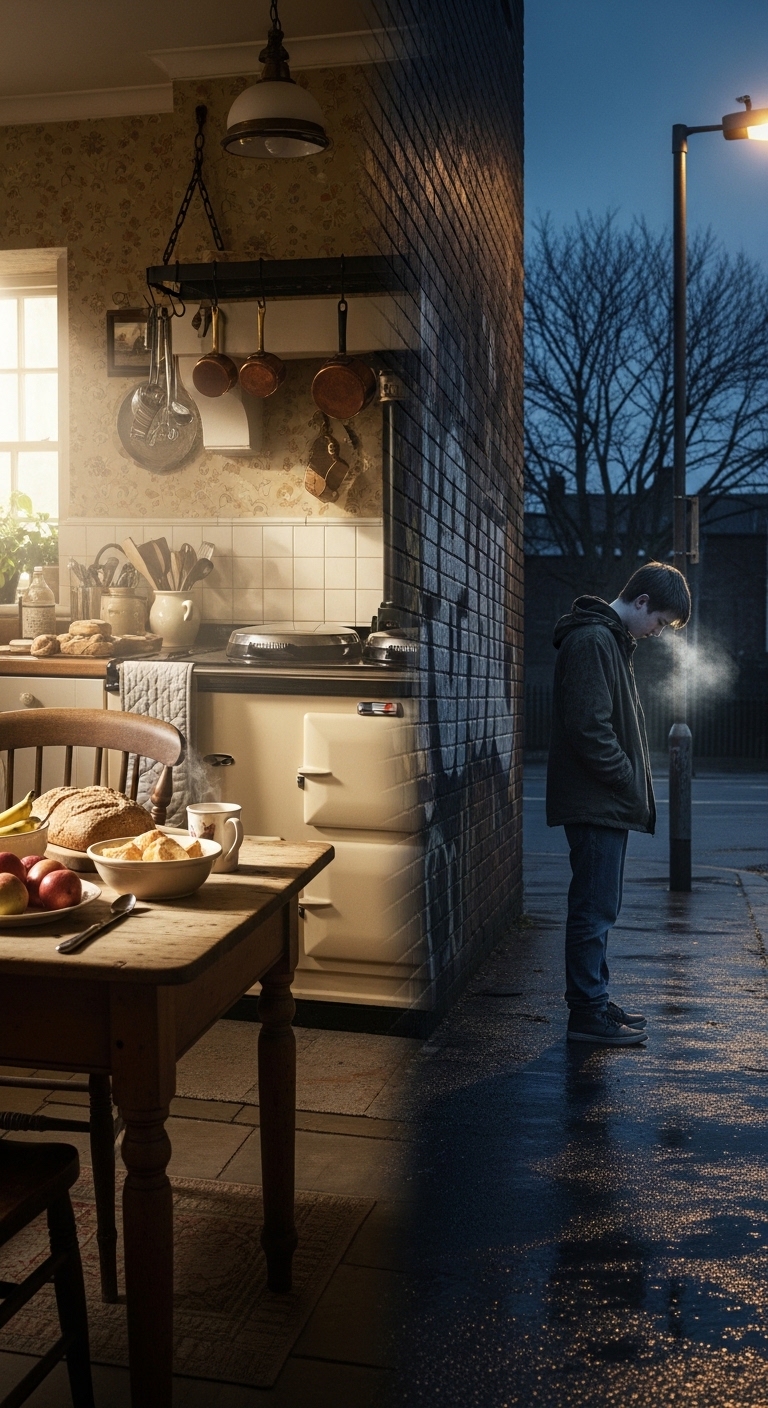
They made a living. Not a fortune, Joe says so himself, and means it without self-pity, but enough. Enough to run the farmhouse with its four bedrooms and three bathrooms and the Aga that heated the water and kept the whole place warm. Enough to buy young bullocks and sell them on profitably, to keep the chickens, to pay the combine harvester one visit instead of two because Joe had worked out a method nobody else was using. They did not want much, and what they wanted they could get.
Dick, on the other hand, arrived with nothing. The poverty that shaped him was not agricultural poverty but urban poverty of the specific contemporary kind, a family that fell apart, a boy who could not pay rent on a wage he did not have, a housing market that had no room for someone without an address to prove he was worth the risk. The squat was not a romantic hardship. It was where people ended up when every other option had already closed.
What Heartbreak Farm does by putting these two worlds together is show the difference between a life built carefully over decades and a life that had everything stripped away before it started. Joe and Gwen’s modest sufficiency looks like enormous wealth from where Dick is standing. And the farm, for Dick, is not just a place to work. It is the first evidence he has had in years that the world contains the possibility of enough.
That contrast, between the steady, quiet sufficiency of the farm and the brutal precarity of Dick’s life before it, is where the novel’s social observation lives, understated and entirely without lecture.
The Farm Itself as a Character
In a certain kind of rural fiction, the land is the subject. The seasons, the soil, the particular relationship between a working farmer and the ground he depends on, these carry as much weight as the human characters and sometimes more.
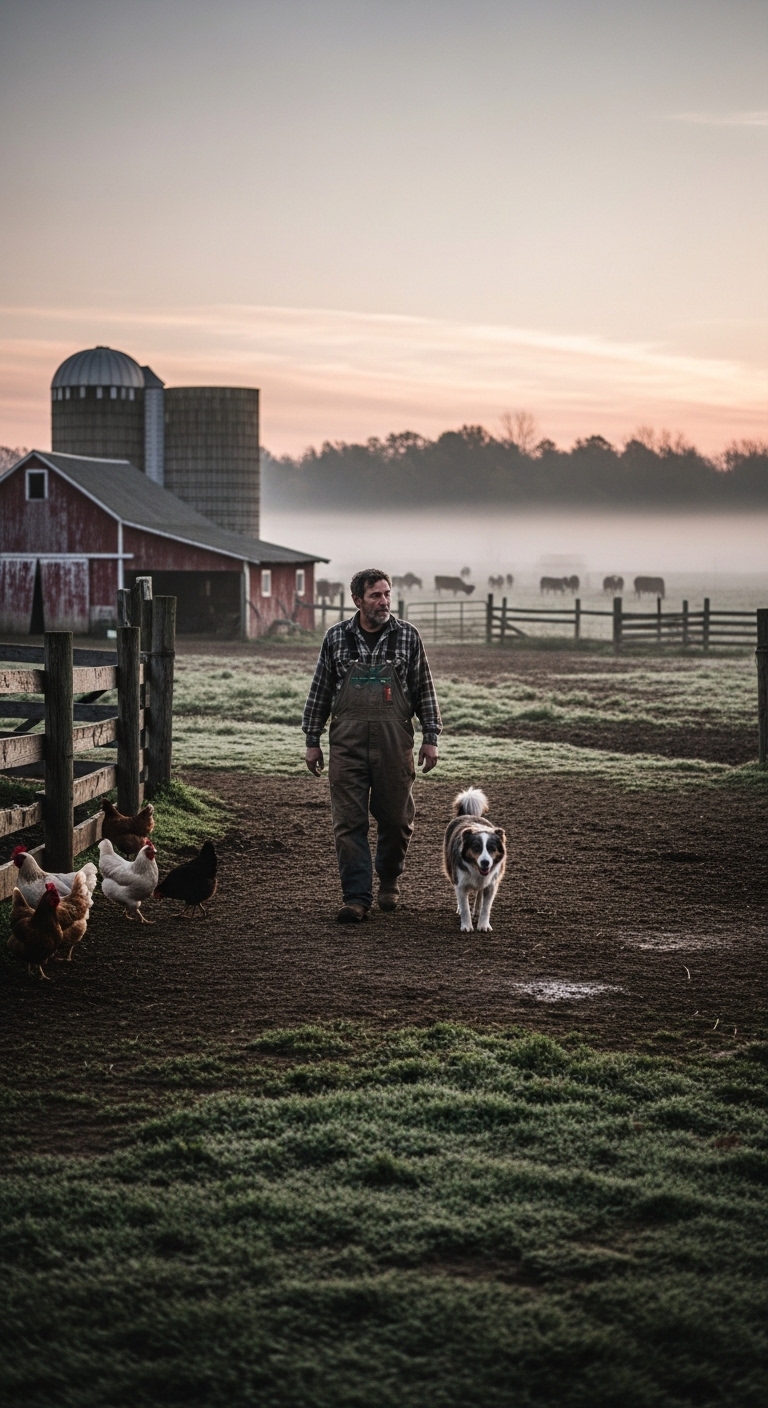
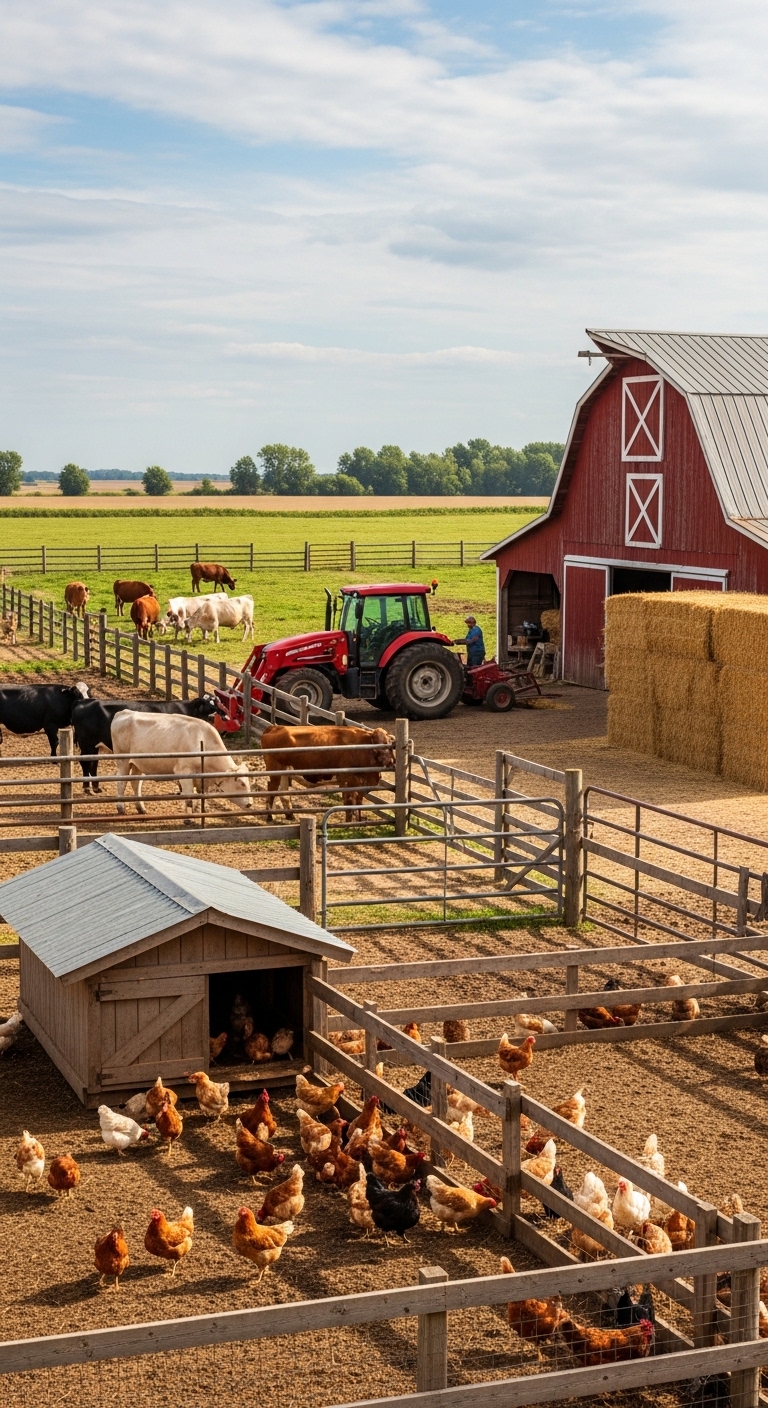
Heartbreak Farm is not quite that kind of novel, but the farm in it is more than a setting. It has a personality, established through routine rather than description. The cold yard at four thirty. The chicken coop and the reliable basket of eighteen eggs. The bottom field where the bullocks graze and the electric fence that gets moved when they have eaten the best of the grass. The barn where the hay bales are stored. The cattle shed with its feeder rings. The tractor with the spikes on the front that gets swapped out for the trailer on market days. The slurry tank that needs emptying at intervals, a job Dick comes to enjoy the way farm workers sometimes come to enjoy the tasks other people find least appealing.
Patrick Budden knows all of this from the inside, or has imagined it with the precision of someone who paid attention to the right things. The farm in Heartbreak Farm functions because it is described as a working system rather than a picturesque backdrop. The reader understands how it operates, why Joe’s method with the corn made financial sense, what it takes each day to keep it running. That functional knowledge is what makes the later chapters, when the farm passes from Joe to Dick to Josh and Anne, carry the weight they carry.
A farm this specifically realised is not just a place where things happen. It is, in the way that homes become characters in the novels we do not forget, a presence the reader mourns when the people who built it are gone.
The Struggle That Runs Quietly Beneath the Surface
The struggle in Heartbreak Farm is not announced. There is no chapter where a character sits down and explains how hard things are. The difficulty lives in the details, in what is there and what is missing, in what gets said and what does not need to be said because both people already know it.
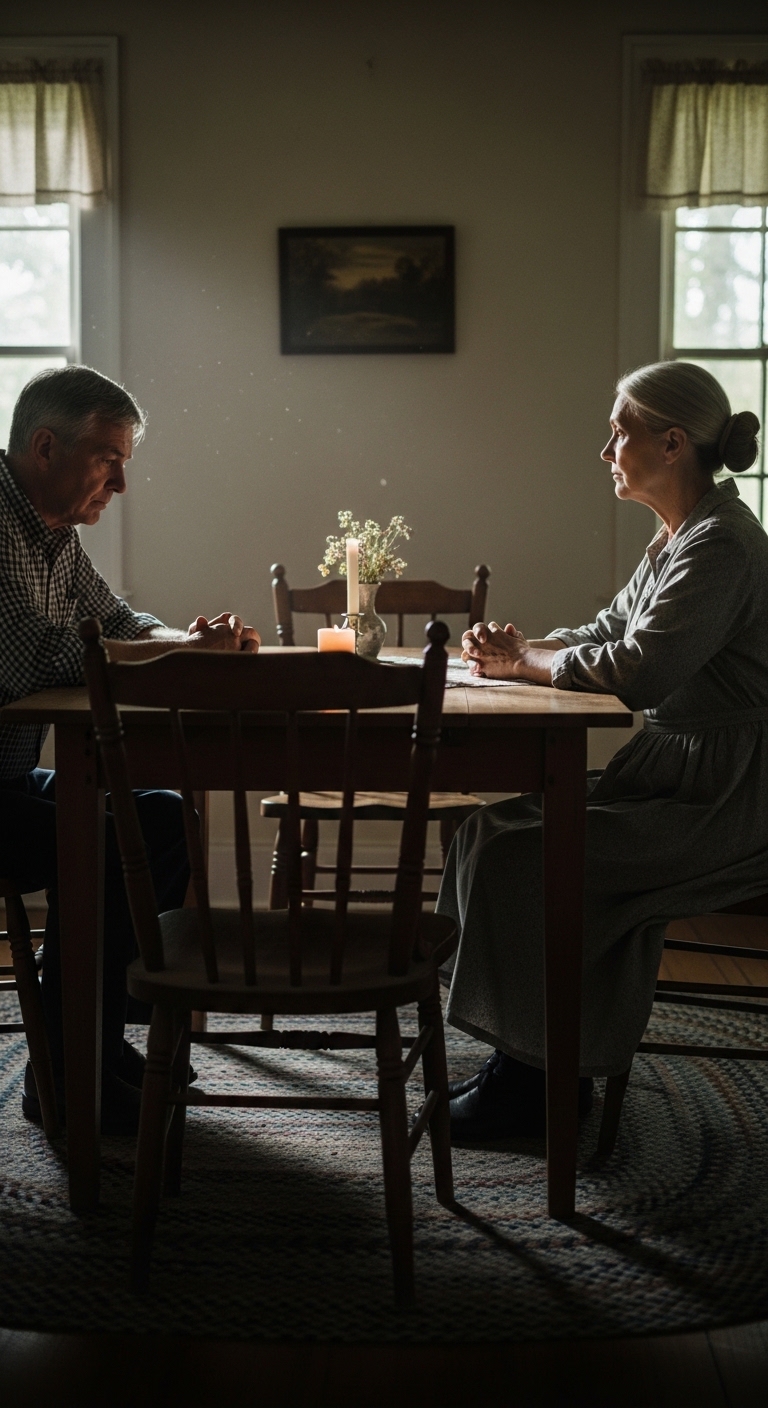
Joe and Gwen never had children. It is mentioned once, briefly, as one of those things that did not happen for them. They had thought about it. They had considered letting a room for bed and breakfast to fill the space a family might have occupied. They let it go. They never let it worry them. That paragraph is three sentences long and it is one of the most quietly loaded passages in the novel because the reader understands, chapters later, that Dick arrived to fill exactly that space without anyone planning it or naming it.
Dick’s struggle is more visible but equally underplayed. The hunger, the exhaustion, the months of being turned away, these are reported rather than dramatised, and they land harder for it. Budden trusts the facts to do the work.
The farm life struggle in this novel is less about the physical demands of agricultural work, though those are present and honestly rendered, and more about what it costs to keep a life in order when the circumstances are working against you. Joe’s method for the corn was not genius. It was attention. He watched what worked and did more of it and stopped doing what did not. Dick applies the same principle to his own survival without knowing that is what he is doing.
That is the struggle Heartbreak Farm is really about. Not poverty as a condition but as a set of forces that certain people, through stubbornness and attention and the luck of finding the right farm lane, manage to work their way out of. Until they cannot.
For Readers Who Finished Heartbreak Farm and Want More Like It
The readership for Heartbreak Farm is not one kind of reader. It is several.
There are readers who come to it for the farm life, for the specific, unhurried pleasure of a novel that knows what it is talking about when it describes moving bullocks down a lane at six in the morning, or loading a trailer for market, or the way a working dog like Jess understands what is needed without being asked. These readers will find the agricultural detail in Heartbreak Farm genuinely satisfying.
There are readers who come to it for the social realism, for the portrait of a young man navigating poverty, homelessness and the failure of every system that should have helped him, rendered without political commentary but with the accuracy of someone who believes the younger generation has a harder time than people want to admit.
There are readers who come to it for the emotional core, for Joe and Gwen, for the particular tenderness of two people who have been together long enough that their routines have merged completely, and for what happens to that tenderness when one half of it is gone.
And there are readers who come to it without knowing what they are looking for and find, somewhere around chapter six when Dick eats a bowl of stew and says it is the first proper meal he has had since his mother died, that they are not going to be able to put it down.
Novels like Heartbreak Farm are rare not because rural fiction is rare or coming of age fiction is rare but because the combination of plainness, emotional honesty and specific agricultural knowledge that Budden brings to this one is not something that can be assembled from research or imitation. It comes from a writer who understood, at seventy-eight, exactly what story he wanted to tell and told it without fuss.

Buy Now on Amazon
Joe worked out how to make a farm profitable by paying closer attention than everyone around him. Gwen fed a hungry stranger before she knew a single thing about him. Dick showed up every morning before he was called, because he had finally found somewhere worth showing up for.
Heartbreak Farm by Patrick Budden is available now on Amazon. Rural fiction for readers who want the land rendered honestly, the people drawn from life and the struggle told without flinching.
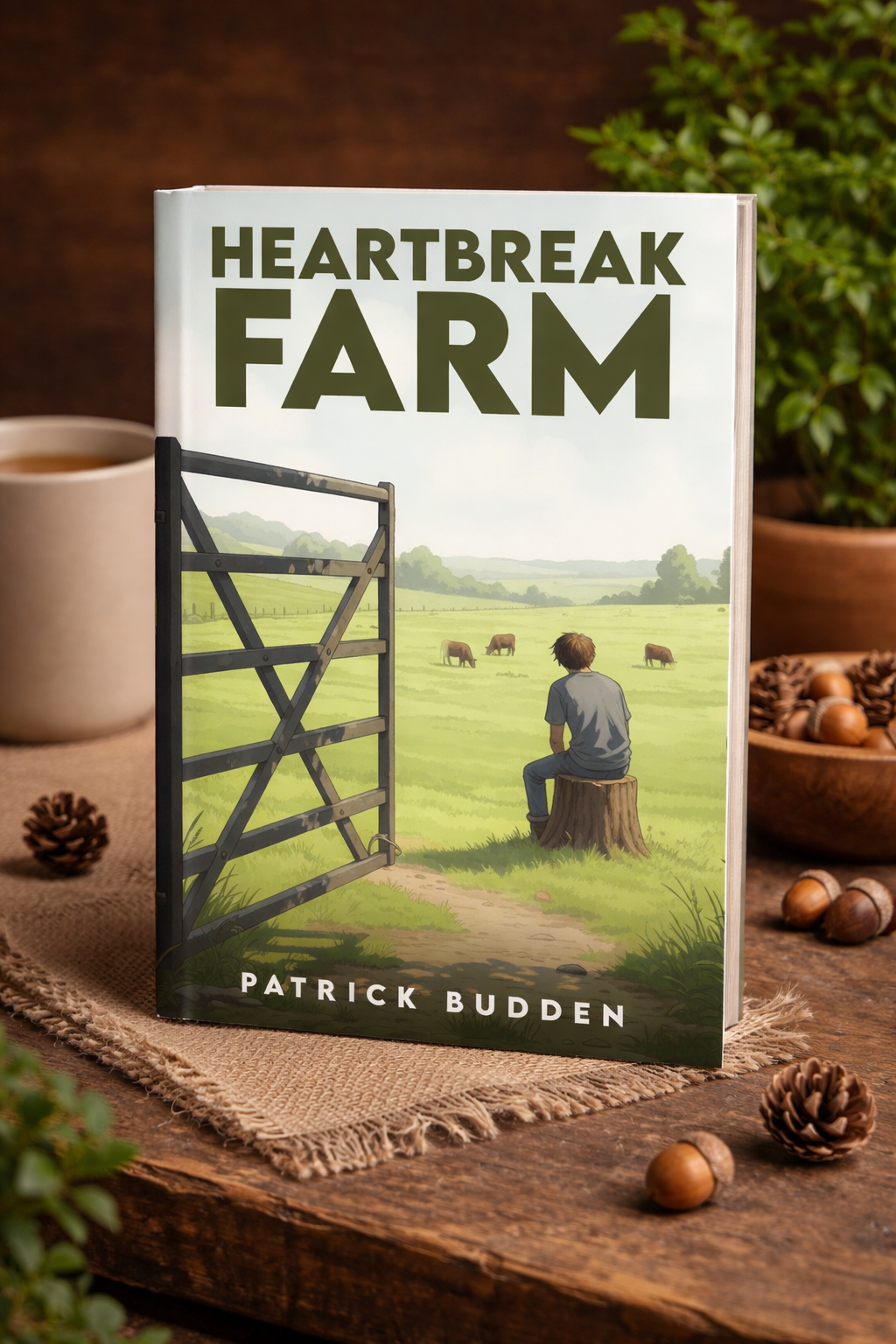
The Farm Is Still Running. Dick Made Sure of It.
If you read fiction for the feeling of being somewhere completely real, a place with its own smell and its own cold and its own dog that runs ahead without being told, Heartbreak Farm will put you on that farm and keep you there.
If you are drawn to stories about ordinary decency, people who take in a stranger not because it is easy but because Jess seemed settled and Gwen trusted her instincts, this novel is full of it.
If you want a book that does not manage your emotions for you, that does not tell you how to feel about what it shows you, that simply sets things in front of you and trusts you to understand their weight, Patrick Budden writes exactly that way.
And if you have ever lost someone who held everything together, and felt the particular disorientation of a world that keeps going when the person who made it make sense no longer does, this book will find you where you are.
Heartbreak Farm is a short novel. It does not waste a word. Some readers will finish it in an afternoon and sit with it for weeks. It is that kind of book, the kind you press into someone’s hands without much explanation, because any explanation would get in the way.
quote by Patrick budden
“Don’t think I didn’t like you two as much as I did Joe and Gwen, but I didn’t want to get too close, because everyone I do get close to dies. I want you two to live a very long and happy life. Forgive me for putting you through all this, but I can’t stay any longer.
Good luck, God bless you both. All my love, Dick.
Please take care of Jess.”