
Books About Alcoholic Father and Family Struggle: What Heartbreak Farm Understands
Dick’s father did not drink before his wife died. That is the detail that matters most and the one that gets the least space in the novel, because Patrick Budden writes the way people actually speak about painful things, which is quickly and without lingering.
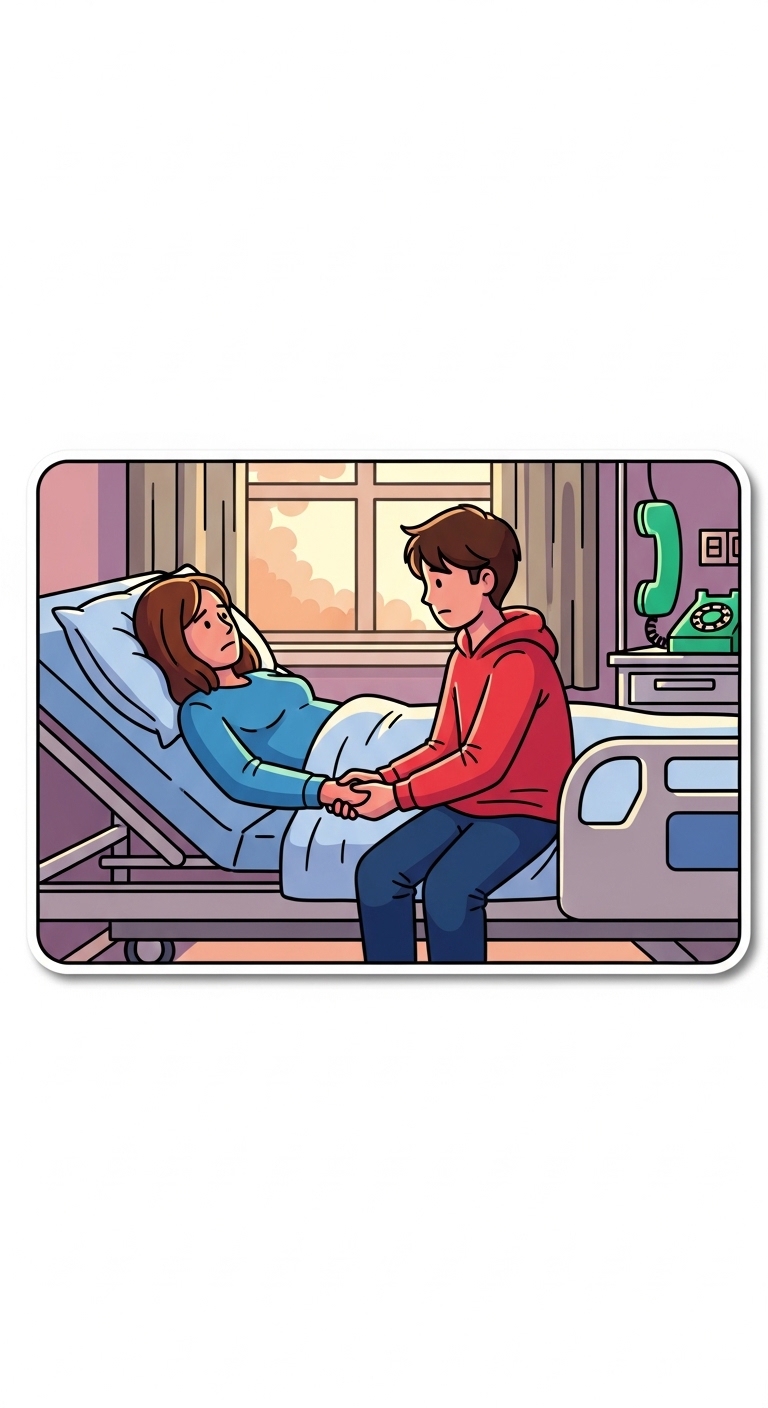
His mother had cancer. She went into a hospice when the nurses decided they could look after her better there than Dick could at home. Dick visited every day. Every day she asked after his father. Every day Dick made an excuse. His father never came. Not once, the whole time she was in there. Then she died.
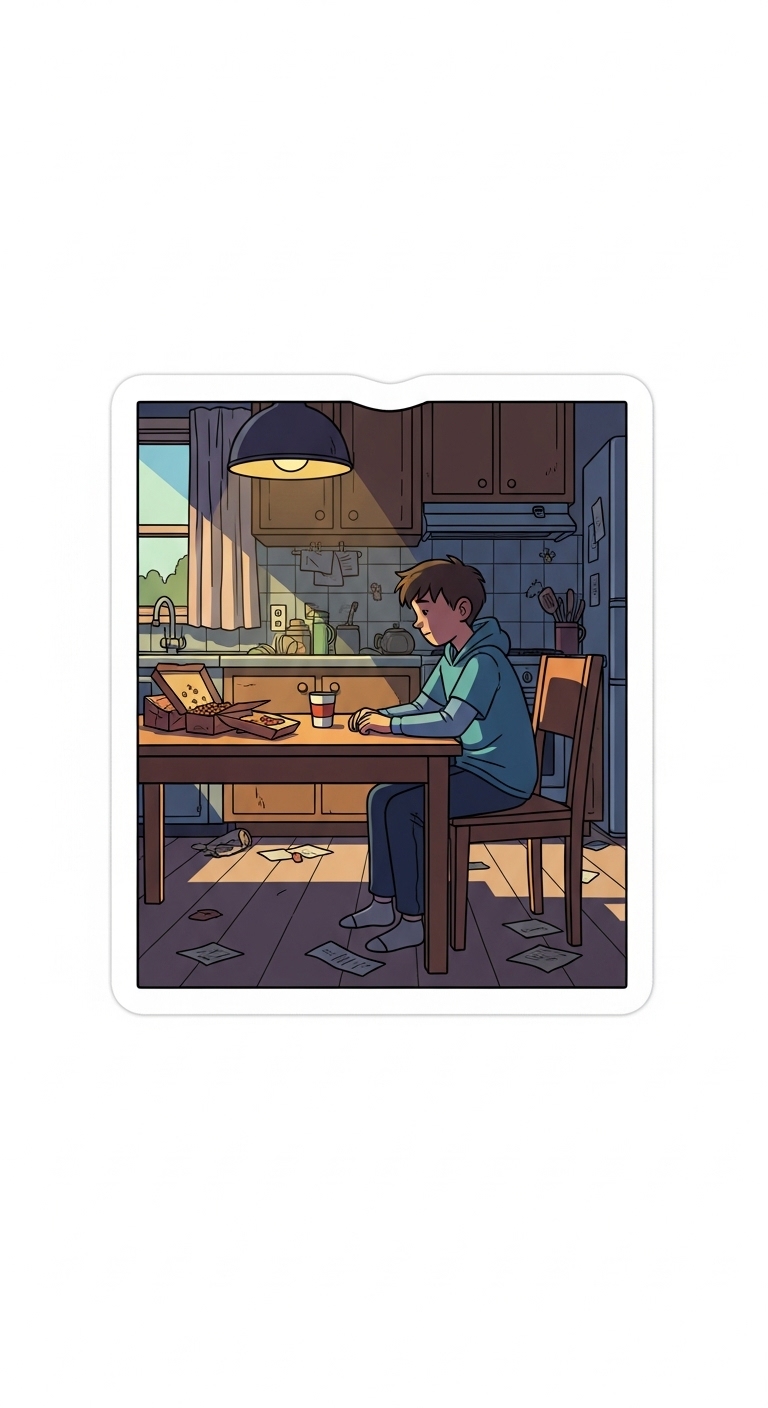
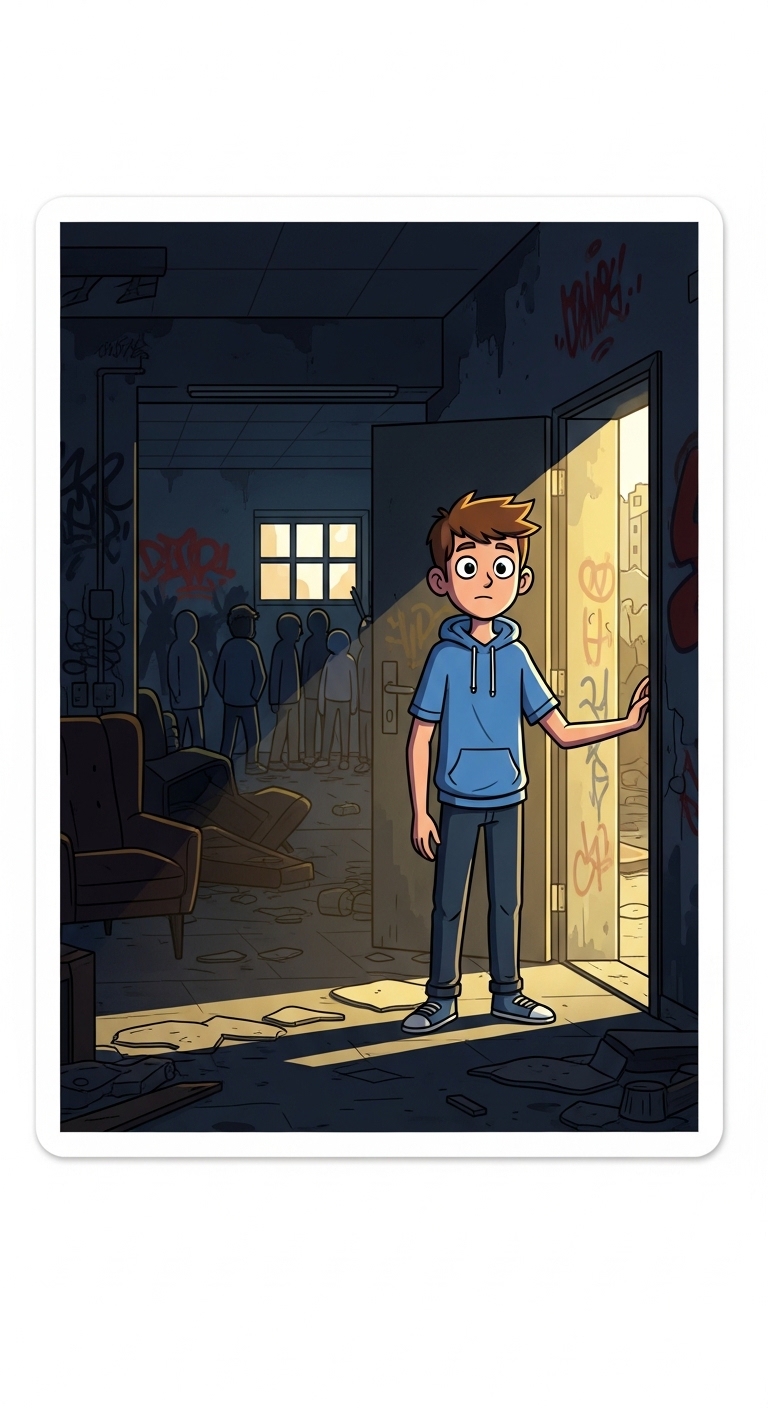
What followed was not dramatic in the way drama usually presents itself. There was no single moment, no confrontation, no rock bottom scene. There was just a father who could not cope with the loss of the person who held him together, and a son who watched it happen and could not stop it. Takeaways at first. Then less of that. Then the father staying away more, down the pub, with his mates, then not coming home much at all. Dick could not pay the rent. He got evicted. He found a squat. He lasted a week before he walked out and looked for somewhere else to go.
He was a teenager. He had done nothing wrong.
Heartbreak Farm is not a book that shouts about any of this. It sets it down plainly and lets the reader feel the full weight of it, which is heavier, delivered that way, than any amount of dramatisation would make it.
What It Costs a Child When a Parent Cannot Hold On
There is a specific kind of loneliness that belongs to children of parents who are present but absent, parents who are physically there, occasionally, but whose grief or addiction or both have made them unreachable. Dick knows that loneliness in detail.
He looked after his mother. He fielded her questions about his father and invented answers that were kinder than the truth. He watched her die in a hospice while his father drank in a pub somewhere and did not come. And then, when she was gone and the person Dick had been holding himself together for was no longer there to hold himself together for, the structure of his life came apart in a matter of months.
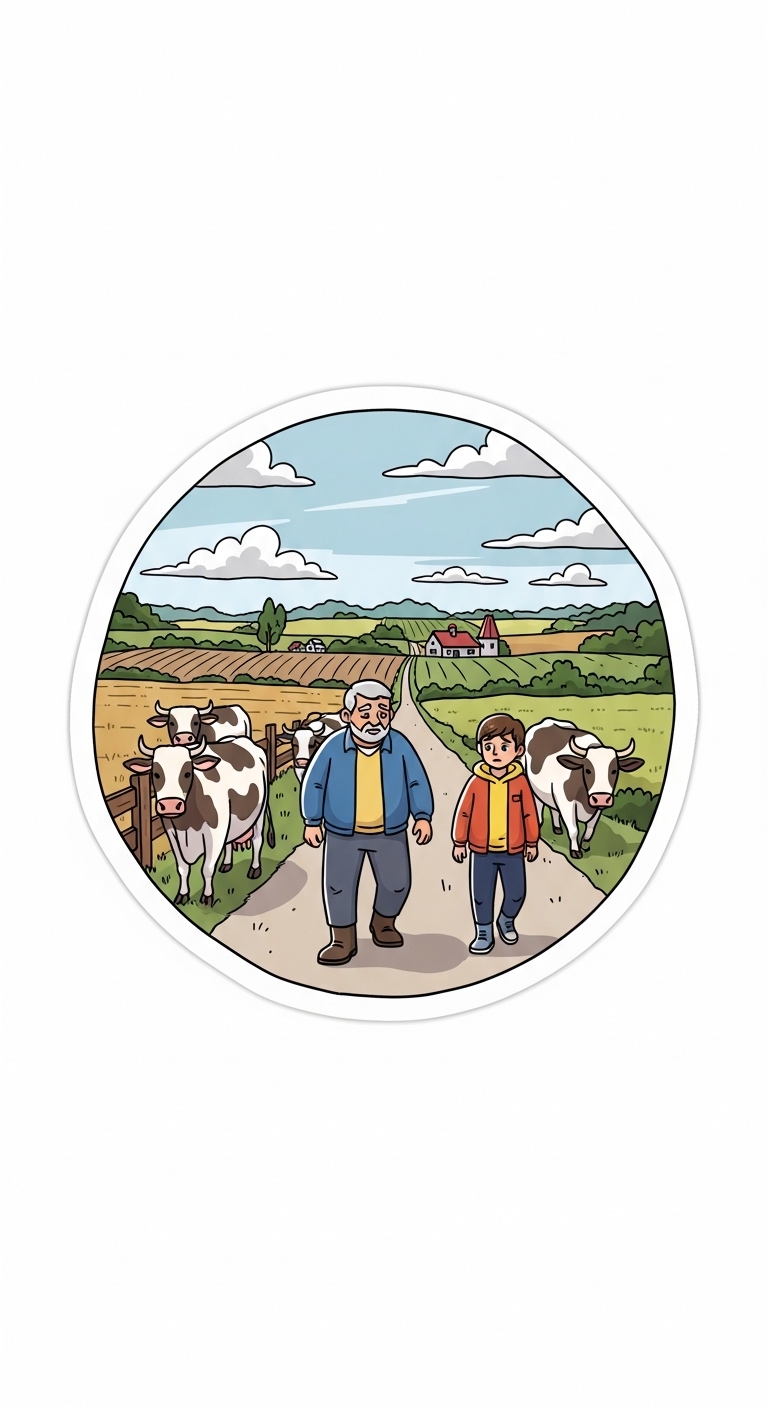
Patrick Budden does not editorialise any of this. He does not ask the reader to judge Dick’s father, though the reader will form their own view. He simply shows what happened, in Dick’s own words, told to Joe on a walk down a farm lane while they are heading out to pick bullocks for market, because that is when Joe asked, and Dick answered honestly, and life on the farm carried on.
That is one of the things Heartbreak Farm does that books about family struggle rarely manage. It does not make the trauma the whole story. Dick’s past is part of him, it explains the hunger, the gratitude, the determination not to end up like the people in the squat, but it is not all he is. The farm gives him something to be instead. For a while, that is enough.
For readers who know from the inside what it is to grow up with a parent who disappeared into something they could not control, Dick’s story will feel uncomfortably familiar. Patrick Budden writes it without sentimentality, which is the only way it should be written.
The Squat, the Streets and the Farm Gate
Before the farm, Dick spent a week in a squat with people who had stopped keeping track of the days. He did not take what they were taking. He was clear-eyed enough, even then, to see where that road went. He watched them go out begging and stealing for money, watched them come back and disappear into whatever the money bought them, and he made a decision.
He left.
He walked the streets of Teddington and tried shops, tried factories, tried anywhere that might have work. Nobody wanted to hear it once they found out he had no address. An address is a small thing until you do not have one, and then it is the only thing anyone asks about.
He found the farm lane by chance, or something close to chance, the kind of half-decision that exhausted people make when they have run out of better options. He walked up to the house and knocked. Gwen came to the door.
What she saw was a boy who looked hungry. What she heard was a story she believed immediately, not because it was easy to believe but because it had the specific, unglamorous detail of something true. A mother dead of cancer. A father in prison for knifing a man in a pub. Weeks in a squat. An honest attempt to find work that had not come to anything.
She brought him inside and fed him before she called Joe.
That moment, a woman feeding a hungry boy before she knew anything else about him, is the moral centre of Heartbreak Farm. Everything that follows grows from it. The farm, the belonging, the loss. All of it starts with Gwen opening the door and deciding that was enough to go on.
I’ll Never Forgive Him For That
There is one line Dick says about his father that Patrick Budden does not follow up or expand upon. It arrives in the middle of a conversation on a farm lane, surrounded by the ordinary business of moving bullocks to a field, and then the conversation moves on because there is work to do.
He left.
I’ll never forgive him for that.
He means the hospice. He means the phone calls his mother made every day asking where his father was. He means the excuses Dick invented to protect her from the truth, day after day, right up until she died. He means the fact that his father let her die alone, not technically alone, there were nurses, there was Dick, but without the person she most needed to see.
Dick does not say this with rage. He says it the way people say things they have already finished being angry about and are now simply carrying. Budden writes grief and damage with that same quality throughout the novel, not as live wounds but as facts that have set, that have become part of the shape of a person.
What the farm does for Dick is not erase any of it. It does not fix him or save him or give him back what he lost. It gives him something to do with his hands and his early mornings and his need to prove that he will not let people down the way people let him down. Joe sees it. Gwen sees it. Jess knew it before either of them.
For readers drawn to stories about children of alcoholic parents, about the particular damage of watching a parent choose absence, repeatedly, over the child standing right there, Dick’s story is told here with more honesty and more restraint than most fiction manages.
Why Stories Like Dick’s Need to Be Told This Plainly
There is one line Dick says about his father that Patrick Budden does not follow up or expand upon. It arrives in the middle of a conversation on a farm lane, surrounded by the ordinary business of moving bullocks to a field, and then the conversation moves on because there is work to do.
He left.
I’ll never forgive him for that.
He means the hospice. He means the phone calls his mother made every day asking where his father was. He means the excuses Dick invented to protect her from the truth, day after day, right up until she died. He means the fact that his father let her die alone, not technically alone, there were nurses, there was Dick, but without the person she most needed to see.
Dick does not say this with rage. He says it the way people say things they have already finished being angry about and are now simply carrying. Budden writes grief and damage with that same quality throughout the novel, not as live wounds but as facts that have set, that have become part of the shape of a person.
What the farm does for Dick is not erase any of it. It does not fix him or save him or give him back what he lost. It gives him something to do with his hands and his early mornings and his need to prove that he will not let people down the way people let him down. Joe sees it. Gwen sees it. Jess knew it before either of them.
For readers drawn to stories about children of alcoholic parents, about the particular damage of watching a parent choose absence, repeatedly, over the child standing right there, Dick’s story is told here with more honesty and more restraint than most fiction manages.
Buy Now on Amazon
Dick arrived at the farm with nothing and built something worth having, a skill, a place, a purpose, a version of himself that Joe and Gwen would have recognised as their own.
Heartbreak Farm by Patrick Budden is available now on Amazon. A coming of age novel about teenage struggle, unlikely belonging and the particular damage of growing up without anyone to catch you, written by a 78-year-old debut author who understands, without flinching, what that costs.

The Farm Is Still Running. Dick Made Sure of It.
If you read fiction for the feeling of being somewhere completely real, a place with its own smell and its own cold and its own dog that runs ahead without being told, Heartbreak Farm will put you on that farm and keep you there.
If you are drawn to stories about ordinary decency, people who take in a stranger not because it is easy but because Jess seemed settled and Gwen trusted her instincts, this novel is full of it.
If you want a book that does not manage your emotions for you, that does not tell you how to feel about what it shows you, that simply sets things in front of you and trusts you to understand their weight, Patrick Budden writes exactly that way.
And if you have ever lost someone who held everything together, and felt the particular disorientation of a world that keeps going when the person who made it make sense no longer does, this book will find you where you are.
Heartbreak Farm is a short novel. It does not waste a word. Some readers will finish it in an afternoon and sit with it for weeks. It is that kind of book, the kind you press into someone’s hands without much explanation, because any explanation would get in the way.
quote by Patrick budden
“Don’t think I didn’t like you two as much as I did Joe and Gwen, but I didn’t want to get too close, because everyone I do get close to dies. I want you two to live a very long and happy life. Forgive me for putting you through all this, but I can’t stay any longer.
Good luck, God bless you both. All my love, Dick.
Please take care of Jess.”